
There is a particular kind of exhaustion many people carry quietly.
They are still functioning. Still answering messages. Still showing up. Still getting things done. But everything feels heavier than it should. Small tasks feel strangely difficult. Motivation disappears. Rest doesn’t seem to restore much. And somewhere in the background, a harsh conclusion begins to form:
What is wrong with me? Why can’t I just get it together?
Often, the answer is not laziness. It is load.
Not moral failure. Not weakness. Not a lack of discipline.
Load.
The human body keeps score of more than we realize. Poor sleep. Emotional strain. Constant decisions. Overwork. Caregiving. Uncertainty. Under-eating. Hormonal shifts. Too little recovery. Too much stimulation. Even when life looks “fine” from the outside, physiology may be carrying far more than anyone can see.
Science has a term for this: allostatic load. It describes the cumulative wear and tear that builds when the body is repeatedly asked to adapt to stress without enough time or support to recover. Research from Bruce McEwen and others helped show that chronic stress does not live only in the mind—it changes signaling through the brain, nervous system, hormones, blood vessels, and immune system.
When the brain perceives demand, it activates the sympathetic nervous system and the HPA axis (hypothalamic-pituitary-adrenal axis). Adrenaline rises first, preparing the body for action. Heart rate increases, blood vessels tighten in certain areas, glucose is mobilized for quick energy, and attention narrows toward immediate priorities.
If that state becomes frequent or prolonged, cortisol joins the picture. In the short term, cortisol is helpful. It helps you wake up, respond, and adapt. But when elevated too often—or when its daily rhythm becomes disrupted—it can begin to affect sleep quality, appetite regulation, insulin sensitivity, mood, memory, and recovery.
This is why stress can feel so physical.
A faster resting heart rate may reflect increased sympathetic tone. Elevated blood pressure can occur as blood vessels remain more constricted and the cardiovascular system stays in a “ready” state. Palpitations may be felt when adrenaline heightens awareness of normal beats or increases ectopic beats in susceptible people. Headaches can emerge from muscle tension, vascular changes, dehydration, or poor sleep. Digestive symptoms often appear because blood flow and nervous system priority shift away from digestion when the body is focused on survival rather than restoration.
Even dizziness or lightheadedness can have several stress-linked pathways: over-breathing lowers carbon dioxide and can create a sense of faintness; inadequate food intake may contribute to blood sugar swings; dehydration can reduce circulating volume; poor sleep and autonomic dysregulation can make the system feel less steady overall.
Sometimes the body is not “randomly acting up.” Sometimes it is signaling that the load has become significant.
This is one reason overloaded people often misread themselves.
They think they need stricter routines, more willpower, a better morning schedule, another productivity hack.
Sometimes what they need is lunch.
Sometimes they need sleep.
Sometimes they need to grieve.
Sometimes they need to stop carrying what was never theirs.
Sometimes they need five quiet minutes with no input at all.
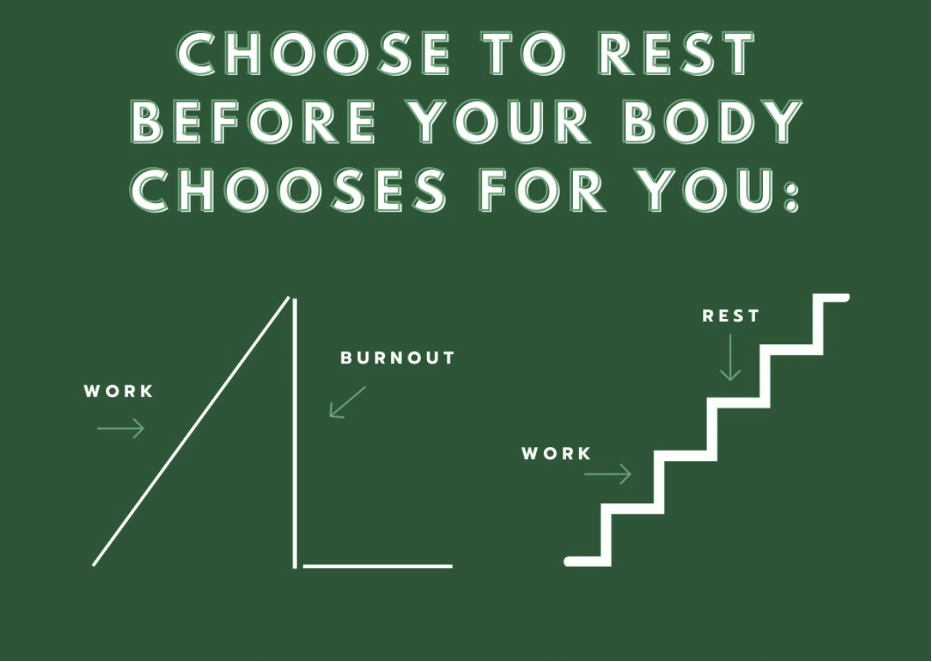
Stress biology can also change how motivation feels. When sleep is disrupted, the prefrontal cortex—the part of the brain involved in planning, focus, and impulse control—works less efficiently. Tasks feel harder to start. Decisions feel heavier. Patience shortens. Effort feels expensive. The task itself may not be harder—your system is simply operating with fewer internal resources.
This matters because many high-capacity people respond to depletion by pushing harder. They override signals. They call it resilience. They pride themselves on endurance.
And sometimes that works—until it doesn’t.
There is another way.
Instead of asking, How do I force more out of myself?
Try asking, What is increasing my load, and what would help me regulate?
That question changes everything.
Regulation is not laziness. It is intelligent recovery.
It may look like:
Small acts matter because the nervous system responds to repetition more than drama.
You do not need a complete life overhaul by Monday.
You may simply need to reduce the load your body has been carrying alone.
So if everything feels harder right now, consider a kinder interpretation.
You are not failing.
You may be loaded.
And the next move may not be more discipline.
It may be support.
A gentle, well-absorbed form of magnesium often used to support relaxation, sleep quality, muscle tension, and nervous system steadiness.
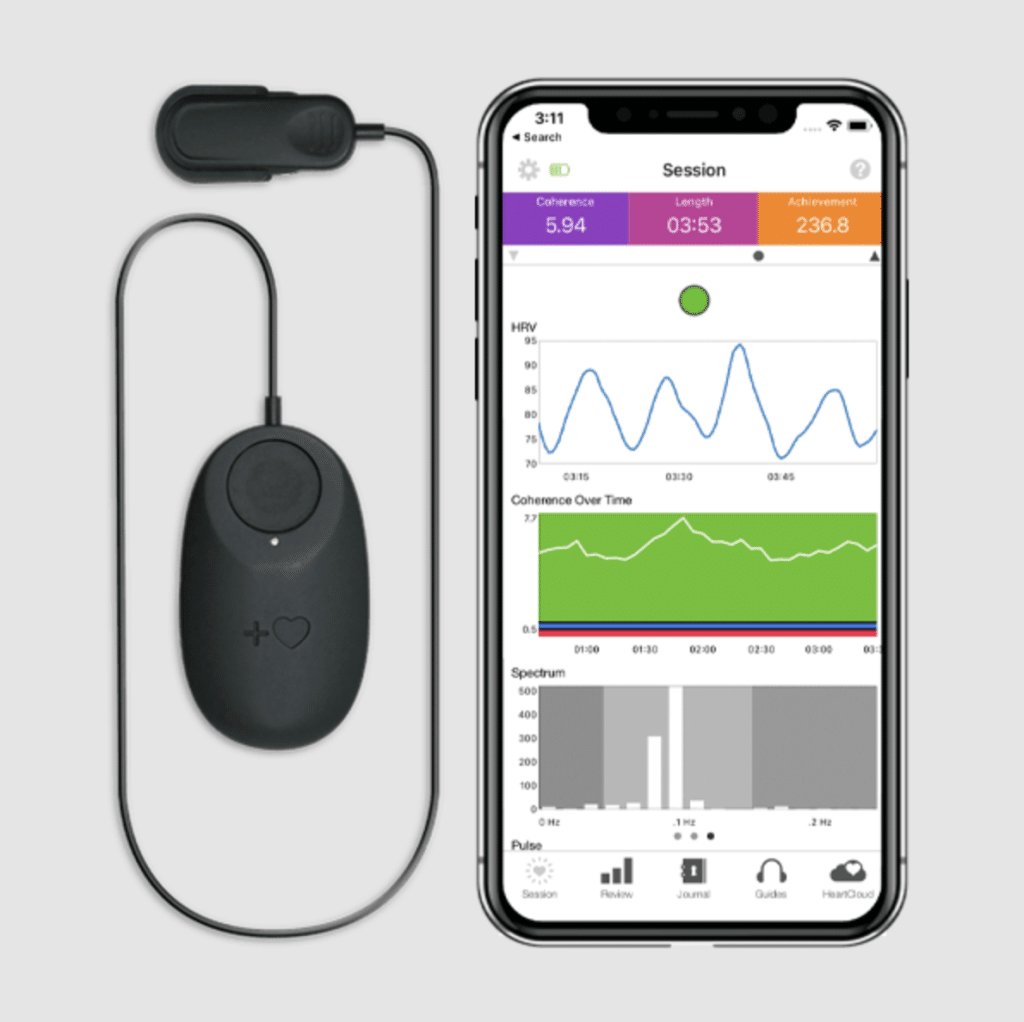
Train heart-brain coherence through guided biofeedback and breathing patterns that help shift the body out of stress mode and into steadier regulation.
Horses respond honestly to nervous system cues. In their presence, many people rediscover calm, boundaries, and grounded connection without needing to explain a thing.
Make Presence Your Protocol ✦ Sublime Life