
By Dr. Kathryn Dundas, MD, CCFP
Sublime Life | The Journal
Most people come to longevity looking for a lever.
A supplement.
A protocol.
A single test that will tell them what to fix.
But longevity doesn’t work that way.
Healthspan isn’t determined by one system in isolation — it emerges from how multiple systems talk to each other over time. Cardiovascular health influences cognition. Sleep shapes metabolic resilience. Stress physiology alters immune function, hormone signaling, even how our cells age.
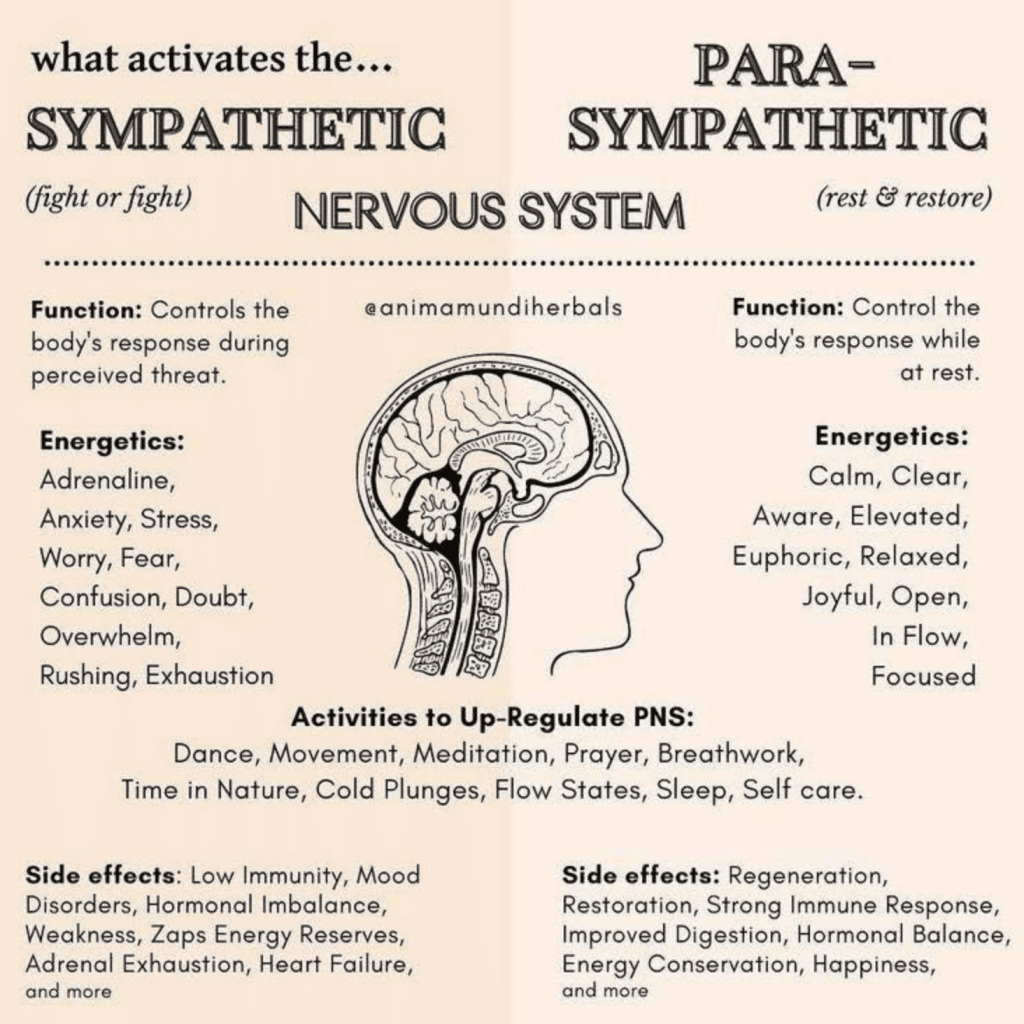
Chronic sympathetic nervous system activation has been shown to accelerate biological aging through inflammatory signaling, impaired insulin sensitivity, and altered mitochondrial function — mechanisms repeatedly linked to cardiometabolic disease and cognitive decline (Sapolsky; McEwen).
This is why reductionist approaches often disappoint. You can optimize one marker and still feel unwell if the larger system is dysregulated.
The body doesn’t age in parts — it ages in patterns
From a biological standpoint, aging reflects:
This is why cardiovascular prevention guidelines, neurodegeneration research, metabolic science, and even mental health are converging toward the same conclusion: systems thinking matters more than isolated interventions.
Recent prevention frameworks emphasize exactly this — focusing not only on cholesterol or blood pressure, but on sleep quality, movement patterns, stress exposure, and social connection as interdependent drivers of long-term health.
Large longitudinal studies show that sleep disruption and chronic stress independently predict cardiovascular events and dementia risk — even when traditional risk markers are controlled for — highlighting the importance of upstream regulation rather than downstream correction alone.
One of the paradoxes I see clinically is that people trying hardest to optimize longevity often end up more dysregulated.
More data.
More protocols.
More pressure to perform health “correctly.”
But longevity is less about intensity and more about coherence.
When the nervous system is chronically activated, it doesn’t matter how perfect the supplement stack is — cellular repair, immune surveillance, and metabolic flexibility all suffer.
Elevated cortisol over time suppresses immune surveillance, impairs glucose regulation, and reduces parasympathetic tone — all of which are associated with accelerated aging trajectories and poorer healthspan outcomes.
Presence, pacing, and recovery are not “soft” concepts. They are biological requirements.
The interventions with the strongest long-term signal tend to be deceptively simple:
Longevity, done well, is not about hacking the body — it’s about restoring its capacity to respond.
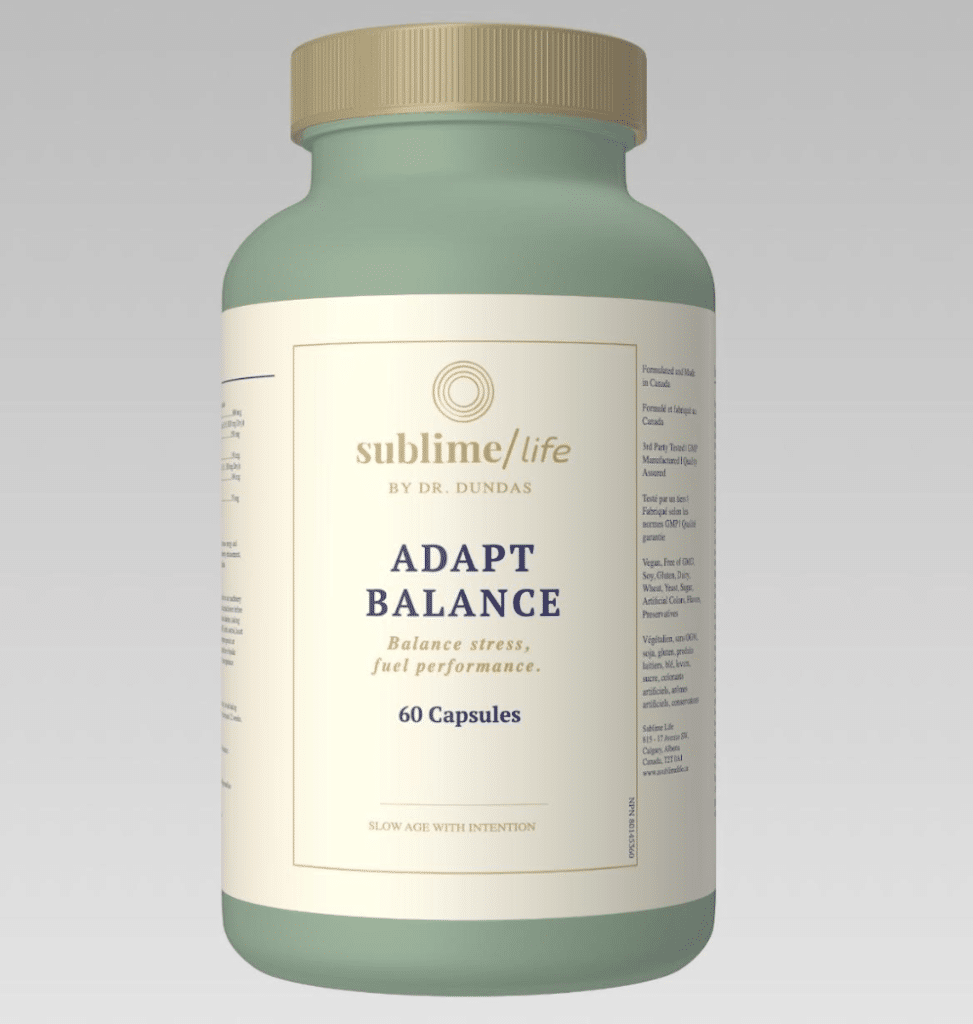
Formulated to support nervous system regulation, stress resilience, and metabolic steadiness — not as a stimulant, but as a buffer. Particularly helpful during periods of cognitive load, travel, or disrupted sleep.
(Available soon — part of our systems-first Sublime Life supplements approach to longevity.)
For some conversations, sitting across a desk isn’t the right container. Walk & Talks allow for movement, nervous system regulation, and a more integrated way of thinking through health, stress, and next steps — especially when clarity is what’s needed most.
(Available by request.)
Longevity works best when we support the system first — and let the body do what it already knows how to do.
For those who want to explore the science, clinical implications, and real-world integration of these ideas more deeply, we unpack them each month inside Circle Up.
If your health plan feels rigid, urgent, or stressful, it may be worth asking:
Is this helping my system adapt — or just giving me something else to manage?
Longevity is not a race.
It’s a relationship.
And the body keeps score — not of how much you do, but of how safely it can function over time.
With care and intention,
Dr. Kathryn Dundas, MD, CCFP
Founder & Medical Director, Sublime Life