
The clocks shifted last weekend — but did your body?
Daylight Saving is more than an hour’s difference on paper; it’s a micro-jet-lag that throws our inner timekeeper into temporary chaos. The circadian rhythm — the 24-hour cycle that governs hormones, mood, and metabolism — is incredibly sensitive to light, sound, and social cues.
When this rhythm falls out of sync, we feel it: sluggish mornings, restless nights, sugar cravings, or that foggy sense that our brain is lagging a few beats behind.
Our biology moves in layers of rhythm:
1. Circadian Rhythm – The big 24-hour metronome controlling cortisol, melatonin, and temperature. Morning light raises cortisol to wake us; darkness releases melatonin to repair and restore.
2. Ultradian Rhythm – Ninety-minute focus-and-recovery waves that govern creativity and attention. Pushing through them instead of resting is one reason we “crash” mid-afternoon.
3. Infradian Rhythm – Monthly and seasonal hormonal cycles that shape energy, mood, and even skin health — particularly noticeable as daylight wanes.
Respecting these nested rhythms restores vitality, steadies hormones, and helps us slow-age with intention.
Even without crossing time zones, our schedules mimic jet lag. Late dinners, weekend sleep-ins, holiday parties, and streaming marathons shift our sleep-wake times, creating what researchers call “social jet lag.”
This internal mismatch between what our body wants and what our calendar demands increases cortisol, insulin resistance, and inflammation. It’s why you can feel “hungover” from staying up late — even without the wine.
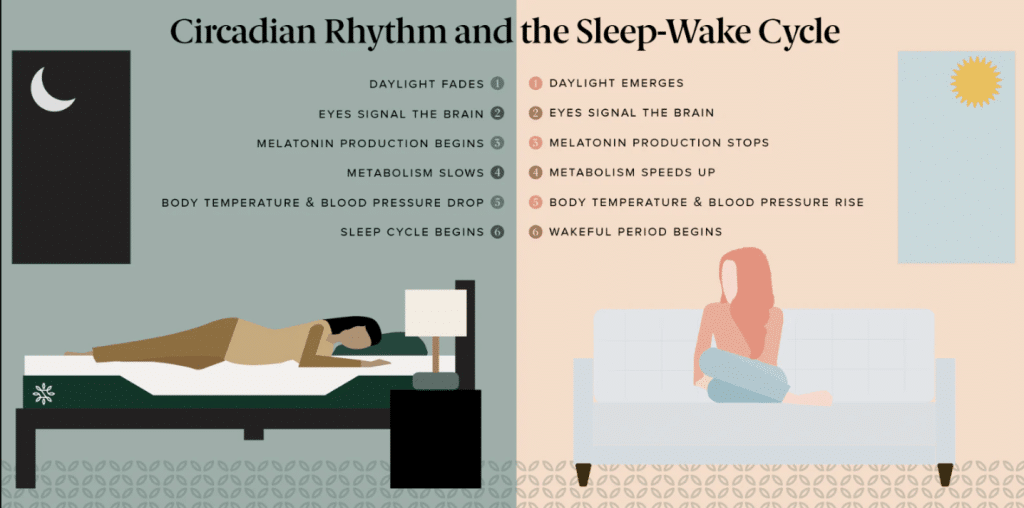
Here’s the part most of us overlook: light isn’t the only time signal our body uses. Sound is, too.
In collaboration with Juan Pablo Colosso, whose Sound of the Land series will be forefront at our upcoming Rewild & Renew retreat, we explored how natural soundscapes can regulate cortisol, improve heart-rate variability (HRV), and support emotional restoration.
Studies show that listening to nature — birdsong, rustling leaves, running water — lowers sympathetic (“fight-or-flight”) activity and boosts parasympathetic (“rest-and-digest”) tone. It literally re-tunes your nervous system.
Even in winter, bundle up, step outside, and let real sounds replace playlists: wind through trees, the crunch of snow, the quiet hum of dusk. Sound tells your body, you’re safe — it’s okay to rest.
 Try this: listen to a dawn chorus recording from the free nature-sound library we shared in our previous Journal post, or simply crack open a window in the early morning. Let your ears, not just your eyes, help you reset your internal clock.
When we’re stressed, our cortisol curve flattens — staying high into the evening. That’s when hormones like melatonin, growth hormone, and thyroid regulators lose their rhythm, and sleep becomes shallow.
If your evenings are wired or you’re waking at 3 AM, your cortisol may be running the show. We offer cortisol testing and hormone consultations at Sublime Life to identify where your rhythm’s gone off-beat and help restore it through personalized protocols.
Presence and restoration live in rhythm, not in rush. As the days shorten, remember: your body is wired for cycles of light, sound, and stillness. The more we listen, the more vitality we reclaim.
✦ A last-minute opening has just become available for our Rewild & Renew retreat in José Ignacio, Uruguay (Nov 27–Dec 1).
If your body is craving rhythm, presence, and reconnection — this is your sign.
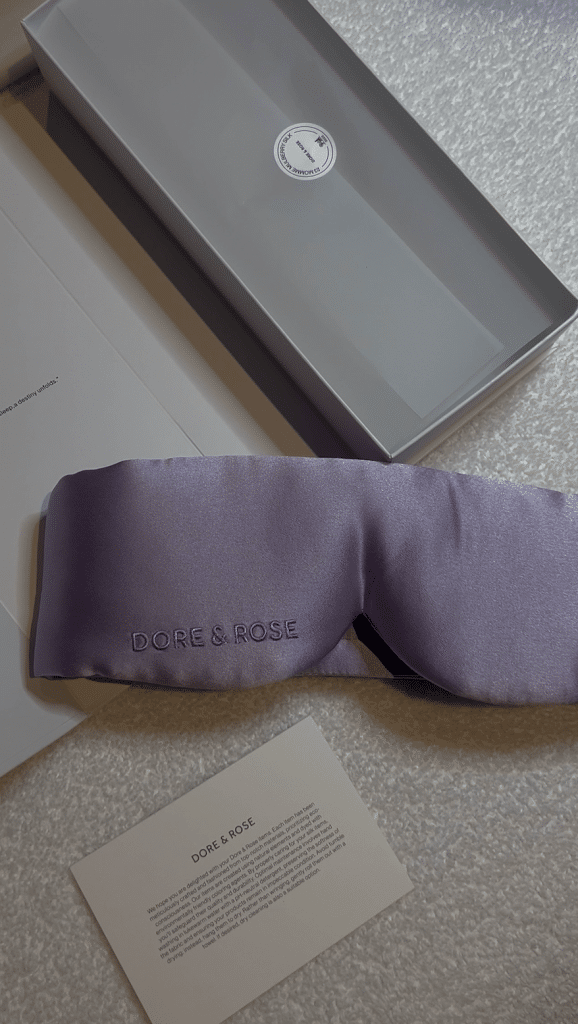
Available at Sublime Life: Calgary & Toronto. Book your assessment at hello@asublimelife.ca or ask at your next visit.
Make Presence Your Protocol ✦ Sublime Life