
By Dr. Kathryn Dundas, MD, CCFP
Sublime Life | The Journal
Peptides are having a moment.
They are discussed in longevity circles, hormone medicine, injury recovery, metabolic health, aesthetics, and performance optimization. Depending on who you ask, they are either the future of medicine or the latest wellness craze.
The truth, as usual, lives somewhere in the middle.
Some peptide-based therapies are legitimate, evidence-based medicines with clear clinical uses. Others are biologically interesting but still early in their evidence journey. And some are being marketed far beyond what the science can support.
That distinction matters.
A peptide is simply a short chain of amino acids — a small signaling molecule. That tells you what it is made of. It does not tell you whether it works, whether it is safe, or whether it is appropriate for you.
Why peptides matter
The body runs on communication.
Hormones signal. Neurotransmitters signal. Immune cells signal. Repair pathways signal. Many peptides interact with these same systems — influencing appetite, insulin response, tissue repair, growth hormone signaling, inflammation, or cellular communication.
That is what makes them interesting.
It is also what means they deserve respect.
When you alter signaling in the body, you are rarely touching only one thing.
Where the promise is real
Some of the most effective modern medications are peptide-based therapies.
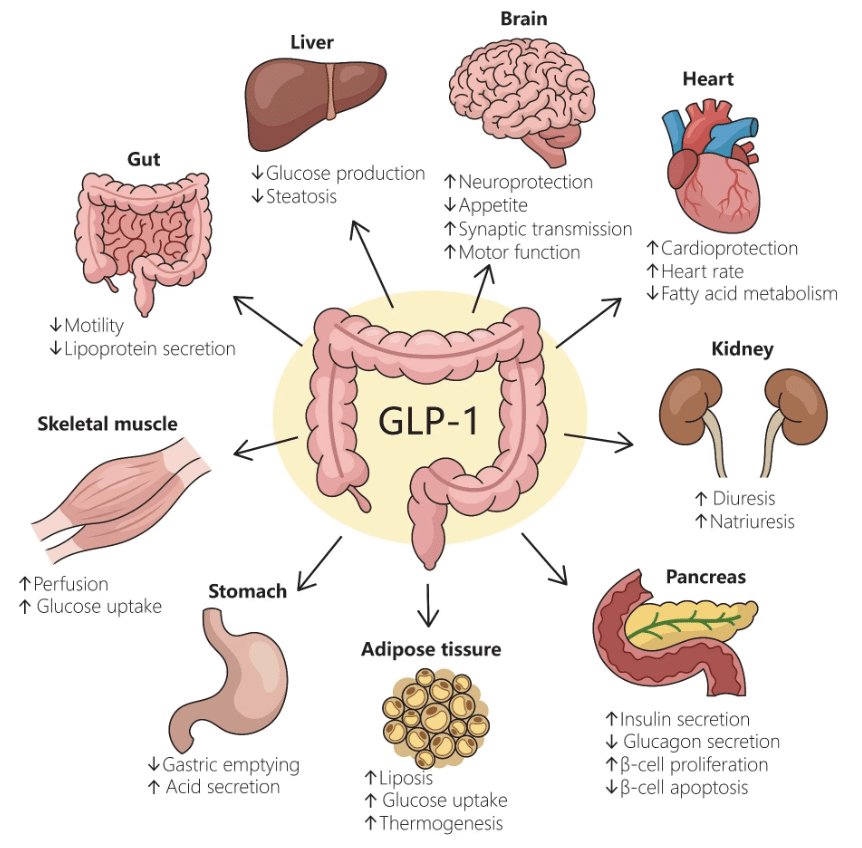
GLP-1 medications such as semaglutide and tirzepatide have changed the landscape of obesity and metabolic medicine for many patients. These are not fringe products. They are formally studied medications with known benefits, risks, dosing standards, and monitoring requirements.
That is peptide medicine at its best: clear mechanism, human data, defined use.
Where the science is still emerging
Other peptides sit in a more nuanced category.
BPC-157
BPC-157 is one of the more biologically interesting peptides being discussed for healing and recovery. Early research suggests possible benefits in tendon, muscle, gut, and soft-tissue repair, and some clinicians have seen encouraging case-by-case results in practice. But the strongest support still comes from preclinical research, not large human trials. That means it may be worth considering selectively in the right person and context, while also being honest that the evidence remains early.
It is also important to know that BPC-157 is banned in competitive sport by both WADA and the NCAA.
Just as important: buyer beware. Many peptides sold online exist in a gray market with limited oversight, uncertain purity, inaccurate dosing, contamination risk, and no medical supervision. In many cases, the bigger danger is not only the peptide being discussed — it is the source, the quality, and the absence of thoughtful clinical guidance.
Sermorelin & Ipamorelin
These are often discussed in hormone optimization because they influence growth hormone signaling. In carefully selected individuals, they may have a role. But they should not be sold as magic anti-aging shortcuts. The conversation here should be individualized, medically supervised, and honest about limits.
Where hype outruns evidence
CJC-1295, MOTS-c, and many other “research peptides” are frequently promoted for anti-aging, fat loss, or performance. In most cases, the science is earlier than the confidence of the claims.
Best avoided
Melanotan II is a good example of a peptide that has gained popularity without a reassuring safety profile.
Many peptides are promoted online with sweeping claims:
Buyer beware: the gray market problem
A growing number of people are buying peptides online, mixing them at home, dosing themselves based on message boards or social media, and doing so without any clinical oversight.
This is where risk rises quickly.
The concern is not only whether the peptide “works.” It is:
How to think clearly about peptides
Before considering any peptide, ask:
1. What is the actual goal?
Weight loss? Recovery? Hormone support? Injury healing?
2. What human evidence exists?
Not testimonials. Not TikTok. Human data.
3. What are the risks?
Known side effects, unknowns, interactions, long-term gaps.
4. What is the source?
Quality matters enormously.
5. Is this being used thoughtfully — or reactively?
Good medicine is rarely impulsive.
A good peptide plan should also include an exit strategy.
What are we measuring, how long are we trialing it, and what would tell us it is not worth continuing?
The most important question is never, “Is this a peptide?”
It is: What human evidence supports it, what are the risks, and is the source trustworthy?
In medicine, signaling matters. So does evidence. Both can be true at once.
Before You Reach for a Peptide
Sometimes the symptom driving interest in peptides has a more basic root cause.
You may think you need a peptide for fatigue, weight gain, slow recovery, poor sleep, or loss of drive — but in many cases the first place to look is elsewhere.
1. Sleep debt
No peptide outperforms chronic sleep deprivation. Poor sleep can affect hunger hormones, insulin sensitivity, recovery, mood, and body composition.
2. Blood sugar instability
Energy crashes, cravings, stubborn weight, and inflammation are often tied to metabolic signaling long before they require advanced interventions.
3. Hormonal imbalance or nutrient deficiency
Low iron, thyroid dysfunction, low testosterone, perimenopause, B12 deficiency, low vitamin D, or high cortisol burden can mimic the very symptoms people hope a peptide will solve.
Sometimes the most sophisticated move is not adding something new. It is identifying what has been missed.
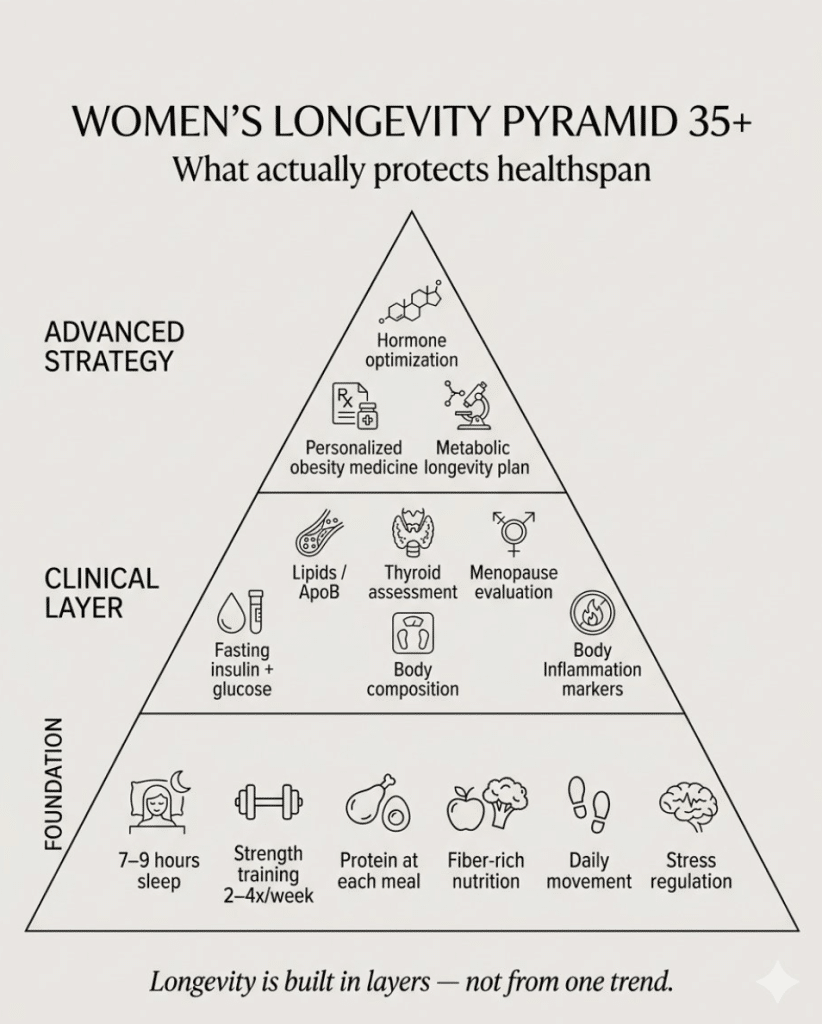
Integrative Longevity Medical Consult
If you’re navigating hormones, curious about peptides, or unsure what applies to you, a personalized medical review can help separate signal from noise. We look at symptoms, goals, health history, labs, and what is actually worth considering — with a focus on long-term health, not trends.
Biological Age Assessment
Chronological age tells you how many birthdays you’ve had. Biological age can offer a deeper look at how your systems are aging in real time. This can be a valuable starting point for understanding metabolic health, resilience, recovery, and where to focus your longevity strategy.
To learn more or book an appointment, email hello@asublimelife.ca
The bottom line:
Peptides are not magic. They are signaling tools. Some deserve a place in thoughtful medicine. Many do not.
Good medicine is personal. Better decisions begin with better data.
And sometimes the best intervention is not the newest one — it is the right one.
Make Presence Your Protocol ✦ Sublime Life