When something hits you — an email, a conversation, a moment of stress — your system doesn’t think first.
It reacts. The fast pathway (your survival response)
The amygdala detects threat (real or perceived)
It activates the HPA axis
You get a surge of: – cortisol – adrenaline
Heart rate rises, breathing quickens
The prefrontal cortex — your rational, measured brain — goes partially offline
This is why reaction feels immediate. And often not aligned with who you actually are.
Why this matters more than we think This is also why I’m intentional about something that seems simple:
I don’t live in my email. Because every “ping,” every notification, every glance at your phone is a micro-stimulus. And your body doesn’t distinguish between:
a difficult conversation
and a flashing subject line It still activates.
If you are constantly checking — or being pulled into checking —you are keeping your system in a low-grade sympathetic state all day. Not a crisis state. But a continuous hum of activation. Over time, that matters.
A simple shift (that changes your physiology)
Instead of reactive checking → make it a planned task
Check your email at set times
Turn notifications off
Remove the visual cue (screen down, no pop-ups)
You’re not just improving focus.
You are:
reducing repeated HPA axis activation
lowering cumulative cortisol signaling
allowing your nervous system to return to baseline This is physiology — not preference.
The pause is the intervention
That space between stimulus and response? It’s not philosophical. It’s biological. Even a brief pause:
re-engages the prefrontal cortex
downregulates the amygdala
activates the parasympathetic nervous system
improves vagal tone (your resilience marker)
Recent research continues to show that even short periods of slow, controlled breathing:
reduce emotional reactivity
increase heart rate variability
improve regulation in real time
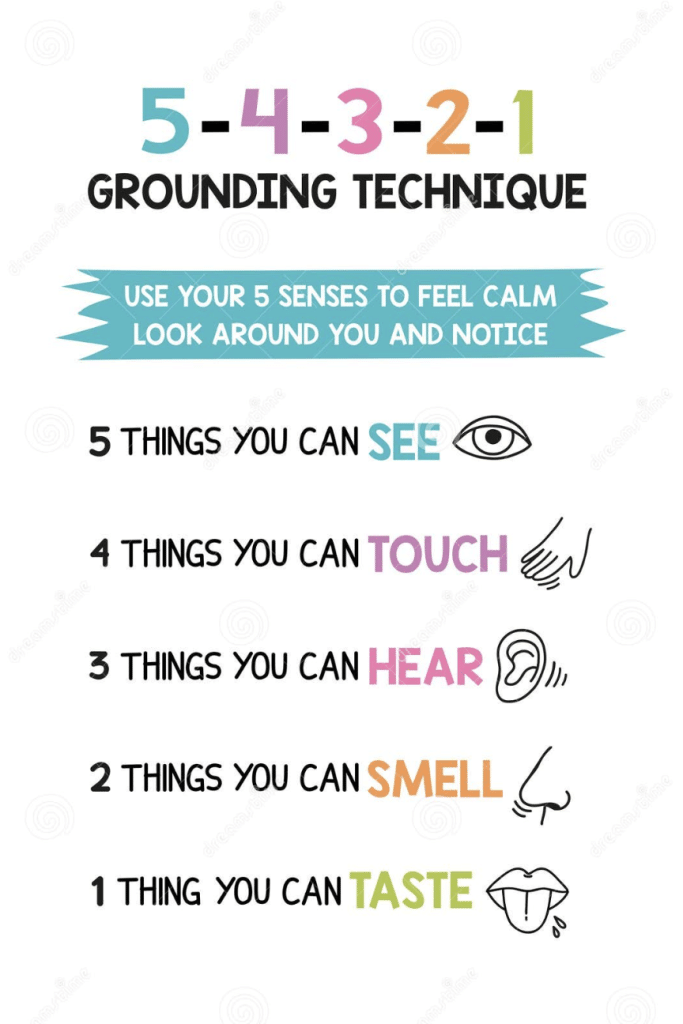
If you struggle to “pause,” use this instead At a conference this week, Jay Shetty shared something simple — and surprisingly effective. A grounding sequence:
5–4–3–2–1
5 things you can see (describe them)
4 things you can feel
3 things you can hear
2 things you can smell
1 thing you can taste
No meditation. No time requirement.
It works because it:
shifts activity away from the limbic system
engages sensory awareness
interrupts the stress loop
It brings you back online, to yourself.
Why time feels like it’s speeding up
As we age, people say: “Time goes faster.” But time isn’t changing.
We are.
We’ve shifted into:
task mode
efficiency mode
constant doing
And in doing so, we’ve lost:
observation
stillness
sensory engagement
The very things that create memory. When you are:
rushed
distracted
in sympathetic drive
You don’t encode experience the same way. Which creates the illusion that time is moving faster.
The paradox As we age, we want to:
slow time
deepen experience
extend healthspan
But the way we’re living:
• speeds perception
• fragments attention
• dysregulates the nervous system
The reframe
You don’t need to do less. You need to pause within what you’re already doing. To look up. To notice. To feel. Because in that space:
your physiology resets
your brain re-engages
your nervous system recalibrates
A simple ritual Before you respond — to anything:
Inhale for 4
Exhale for 6
Repeat 3 times
That alone is enough to:
increase vagal tone
reduce reactivity
restore clarity
Practitioner Picks
To create the conditions for the pause:
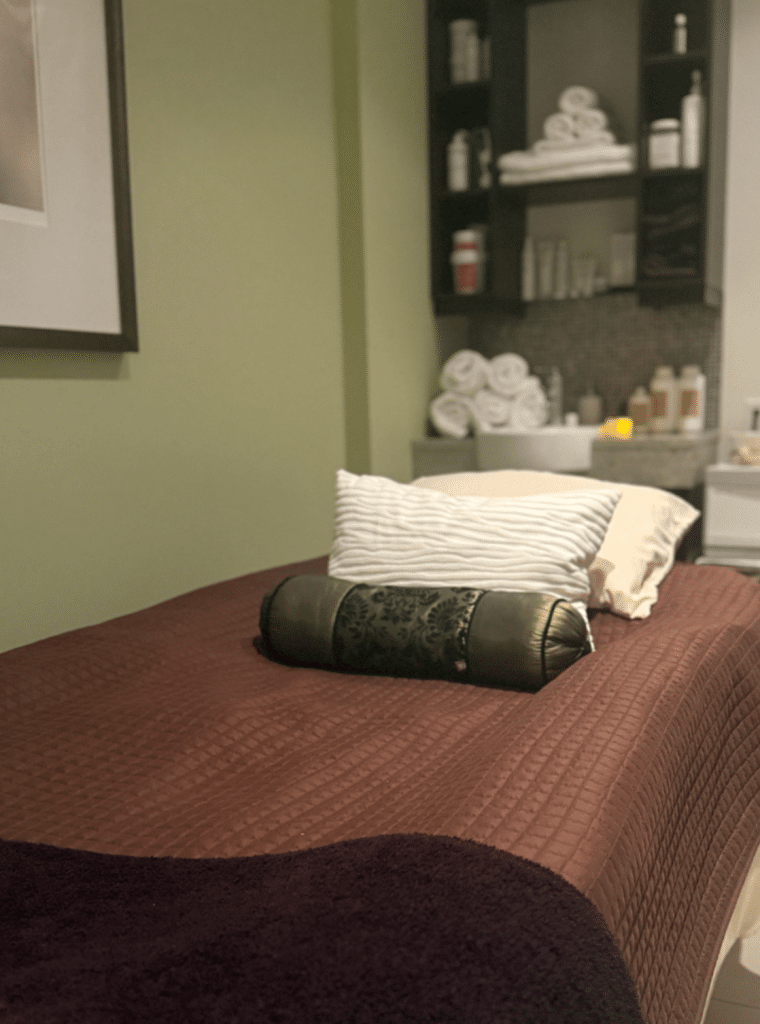
Heated Body Wrap
Forced stillness, deep reset You’re warm. You’re still. You’re wrapped.|
And for a period of time — you can’t multitask.
That alone is powerful
Physiologically:
promotes circulation and relaxation
reduces sympathetic tone
supports absorption and recovery
But more importantly: it creates a container where the pause is no longer optional
HeartMath
Training the gap
Not just stress management — this is precision training for regulation It helps you:
build awareness of your internal state
create coherence between breath and heart rate
insert a pause before reaction It’s the measurable version of what we’re practicing.
B-Complex Support for cognitive load
When you’re constantly reacting and switching tasks, you increase demand on your nervous system. B vitamins support:
energy production
neurotransmitter function
cognitive resilience Not a stimulant — but support for the systems carrying the load.
Sublime Life Vital Omega (High EPA/DHA)
Stability at the level of the brain
If the pause is about reducing reactivity, this supports the structure behind it.
Omega-3s:
improve neuronal signaling
reduce neuroinflammation
support mood and emotional regulation Think of this as: stabilizing the terrain so you’re less easily pulled into reaction
✦ Ritual: Scheduled Disconnection
Email at set times
Notifications off
Phone face down Simple.
But profoundly effective.
Closing
The pause is not passive.
It is the moment your biology comes back online.
Dr. Kathryn Dundas, MD, CCFP Founder, Medical Director Sublime Life Make Presence Your Protocol ✦ Sublime Life | Circle Up
Reset Ritual of the Week
Hormone Panel + Longevity Consult
Your breath might be your baseline — but your hormones are your body’s compass. Come in for a hormone panel and personalized consult to map where you are — and where to go next.
Available through bloodwork and either in-person or virtual Integrative Medicine consults.