
Your body changes. Your nutrient needs do too.
By Dr. Kathryn Dundas, MD, CCFP
Sublime Life | The Journal
There’s a moment in longevity medicine when nutrition stops feeling generic and starts feeling deeply personal.
Your age, sex, genetics, neurodiversity, gut microbiome, and even your immune reactivity all change what your body can absorb — and what it truly needs to thrive.
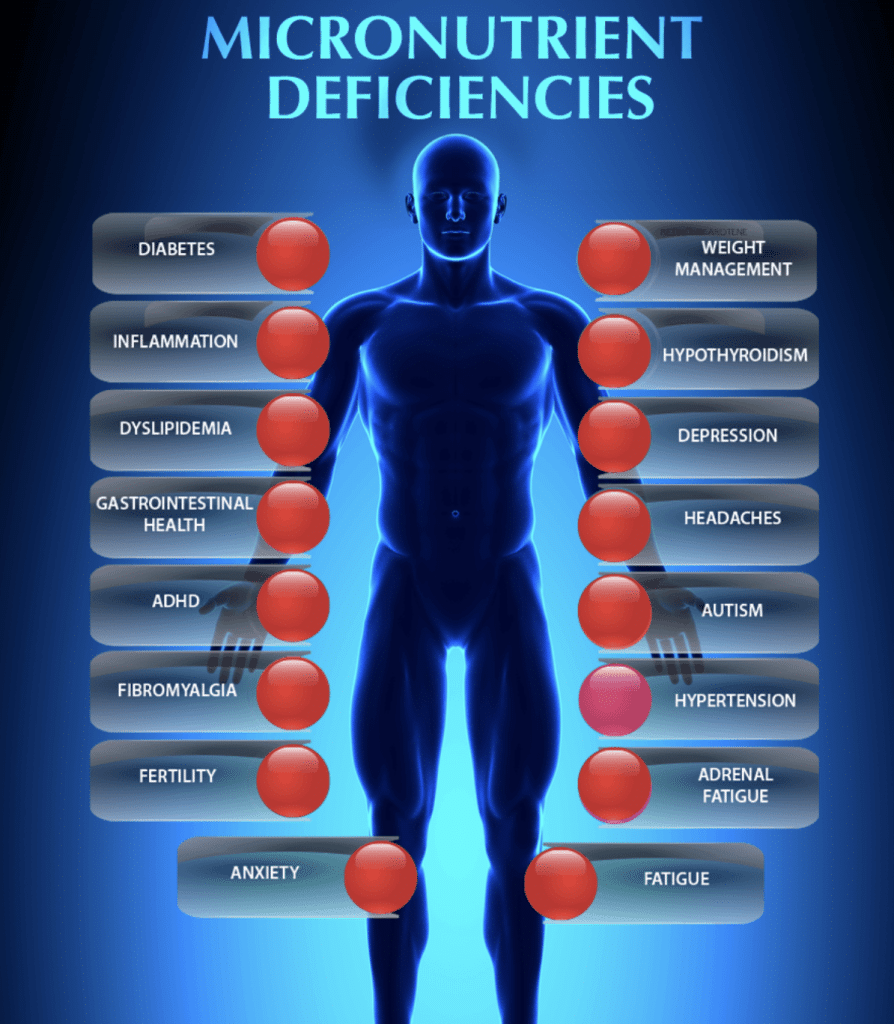
And honestly? Most people are walking around with nutrient deficiencies they don’t know they have.
Not because they’re doing anything wrong, but because our physiology shifts with time, our modern food supply is depleted compared to decades ago, and our stress levels alter our nutrient demands dramatically.
This week, let’s explore what matters most — especially as we move through the winter season when energy, mood, skin, digestion, and immunity are under strain.
Superfoods matter… but they only matter if your digestion, absorption, and immune system can handle them.
Which brings us to the next problem:
Layer in medications (PPIs, metformin), high stress, disrupted sleep, low stomach acid, or dysbiosis — and the absorption picture becomes even more compromised.
Your needs increase.
Your absorption decreases.
And no one warns you.
This is why nutrient tracking matters — and why supplementation isn’t “nice to have,” it’s often medically indicated.
Hormonal shifts dramatically increase oxidative stress, disrupt insulin sensitivity, and alter micronutrient demand.
Men
Both men and women benefit from foundational nutrient optimization — but the levers differ.
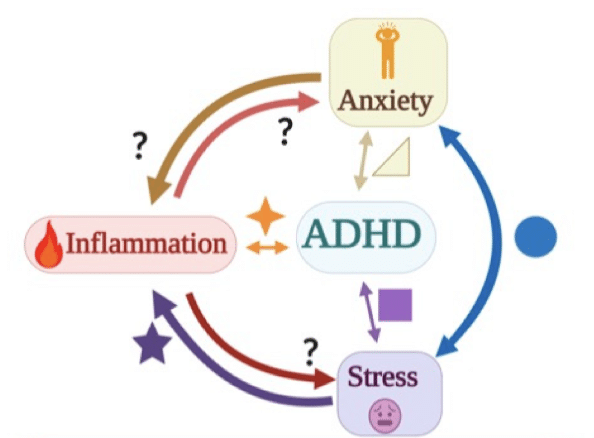
People with neurodiverse wiring (ADHD, ASD), anxiety disorders, or highly reactive sensory + immune systems often have:
Histamine intolerance and mast-cell activation are far more common than we used to acknowledge.
Food becomes more than fuel — it becomes sensory regulation, nervous system support, and inflammation management.
5. The Supplement Problem: Bioavailability, Contamination & Why It Matters
Here’s the part no one likes to talk about:
The supplement industry is wildly unregulated.
Brands can legally sell products that:
Bioavailability is everything.
A nutrient means nothing if your cells can’t use it.
Vital Iron
Gentle GI-friendly iron with co-factors that enhance absorption.
Vital Creatine
A mind-and-muscle longevity formula supporting mitochondrial performance.
Vital D
High-absorption D3 — especially important in northern climates.
Brain Flow
A cognitive blend supporting focus, neuroprotection, and stress resilience.
Adapt Balance
An adaptogenic formula for energy, stability, and nervous-system harmony.
Microbiome Balance (in research stage)
Features a unique active ingredient not yet found in any other Canadian supplement — now officially added to the Health Canada ingredient database after our successful submission.
This is where longevity medicine is heading:
clean formulations that are tested, targeted, and evidence-informed.
More information is available at hello@asublimelife.ca or in clinic.
If you only take one message from this week’s Journal, let it be this:
Your future health depends on it.
My recommended triad:
1. Micronutrient Testing
Identify iron, B12, magnesium, zinc, vitamin D, and antioxidant status.
You cannot fix what you cannot see.
2. Nutrigenomics
Genetic insight into how you metabolize nutrients, detoxify, handle histamine, regulate inflammation, and process hormones.
3. Microbiome Testing
Understand the foundation of gut-brain-immune health.
If your microbiome is imbalanced, your nervous system and hormones will tell the story.
This is how we personalize longevity — with precision, not overwhelm.
A final reminder: none of these nutrients, tests, or supplements matter if your nervous system is living in constant fight-or-flight.
Rest, digest, absorb, and restore only happen in the parasympathetic state — the physiology of safety.
This is why we practice slowing down, grounding, and returning to the body.
Because presence isn’t a soft skill.
Presence is protocol.
When you make presence your baseline, every other part of your longevity stack finally has room to work.
– Dr. Kathryn Dundas, MD, CCFP