
By Dr. Kathryn Dundas, MD, CCFP
Sublime Life | The Journal
This week sits in between.
Between Christmas and the calendar reset.
Between rest and routine.
Between endings and beginnings.
For many in the northern hemisphere, it’s winter — darker mornings, quieter streets, inward energy.
For others, it’s summer — long days, stimulation, social pull.
Different seasons.
Same nervous system question:
This is what I mean when I talk about orientation.
Orientation isn’t mindset.
It isn’t motivation.
And it isn’t something you think your way into.
Medically, orientation is a core neurophysiological function — the nervous system’s ability to locate the body in space, time, and context before it can regulate.
Before the body can:
When these signals are coherent, the nervous system settles.
When they’re disrupted, the body compensates — quietly — with tension, vigilance, or fatigue.
Here’s where the physiology becomes especially important.
According to Polyvagal Theory, the nervous system is constantly scanning the environment — not through thought, but through sensation — for cues of safety or threat.
This unconscious process is called neuroception.
When the nervous system detects safety through:
…it can shift toward parasympathetic regulation — the state associated with rest, digestion, immune function, and repair.
When those cues are absent or confusing, the system stays subtly mobilized:
Not dramatically.
But persistently.
This is why people can be “on vacation” and still feel wired.
Or surrounded by others and still feel disconnected.
The body hasn’t oriented yet.
Even joyful holidays disrupt orientation.
Sleep schedules change.
Routines dissolve.
Social input increases.
Travel compresses time and space.
In winter, this can show up as heaviness, withdrawal, or low mood.
In summer, it often looks like overstimulation, restlessness, or difficulty settling.
Same physiology.
Different expression.
This is why so many people feel “off” this week — not ungrateful, not unwell — just unanchored.
Here’s the part that matters medically.
A nervous system that doesn’t feel oriented:
Orientation Is Not Slowing Down
This is important.
Orientation doesn’t mean doing less.
It means arriving first.
You can be social.
You can celebrate.
You can move, travel, and expand.
But without orientation, the body experiences all of it as demand.
With orientation, the same life becomes nourishment.
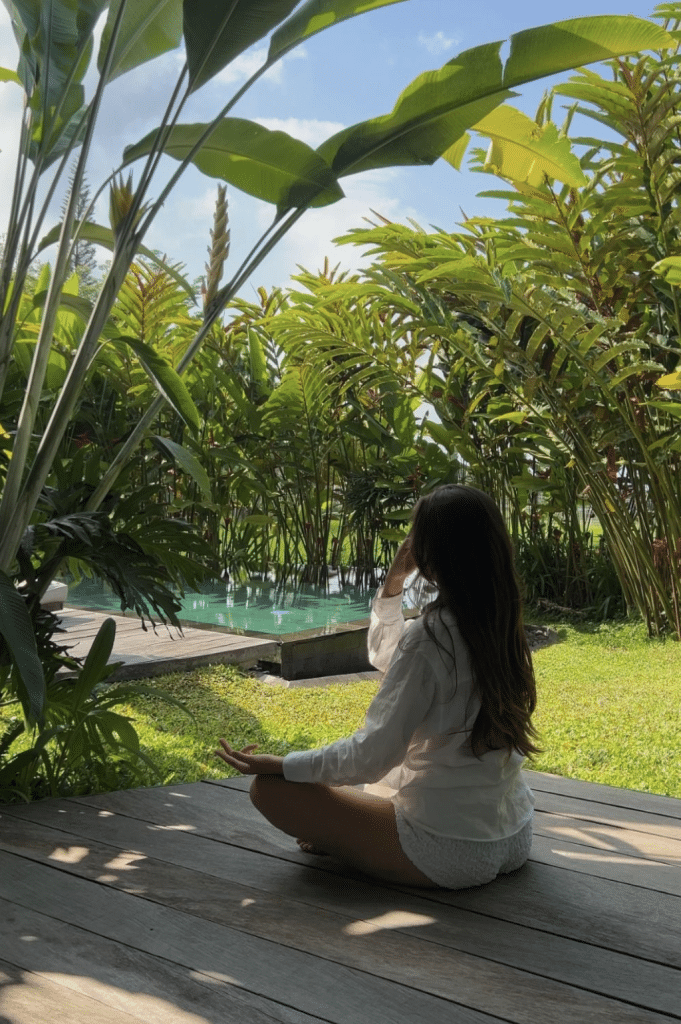
Once a day this week:
No fixing.
No optimizing.
This isn’t relaxation.
It’s recalibration.
Human touch and contained self-care are among the most direct ways to support orientation — because they provide clear sensory safety cues to the nervous system.
Slow, supportive massage offers deep proprioceptive input that helps the body feel located and held.
From a physiological standpoint, massage has been shown to:
Especially post-holiday, this kind of touch helps the nervous system organize itself — not by sedating it, but by orienting it.
Best for: feeling scattered, tense, wired, or disconnected.
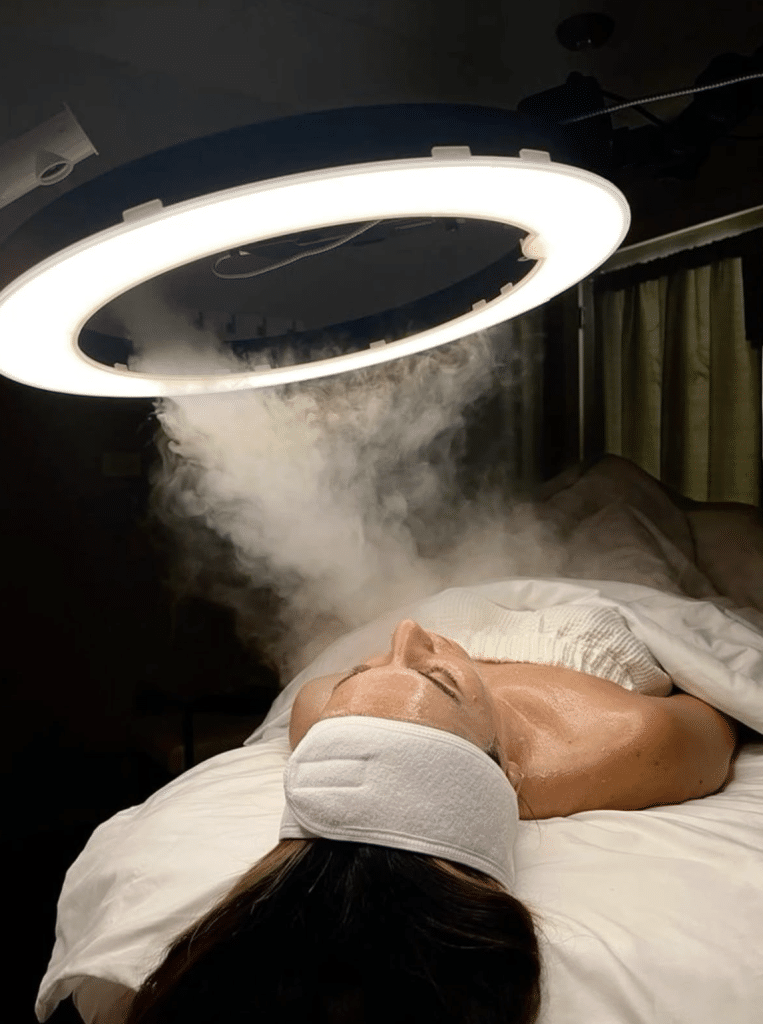
While often thought of as cosmetic, a Hydrafacial also offers something quieter and equally important: contained, attentive touch and time alone.
Warm hydration, rhythmic suction, and face-focused care provide pleasant sensory input that supports parasympathetic regulation — while delivering visible results with no downtime.
It’s a reset on two levels:
• skin barrier support and hydration
• nervous system settling through gentle care
Best for: pre-party glow, post-holiday recovery, and a moment of uninterrupted presence.
January doesn’t need urgency.
It needs orientation.
Before intentions.
Before plans.
Before change.
Presence is not passive.
It is preparatory.
Orientation is how the nervous system learns it can stay.
Concepts referenced here align with research on autonomic nervous system regulation and neuroception, including Stephen Porges’ Polyvagal Theory (2011), which describes how sensory cues of safety support parasympathetic function, resilience, and repair.
In presence,
Dr. Kathryn Dundas, MD, CCFP
Founder, Medical Director
Sublime Life